


Menopause is a near-universal part of midlife for women, yet menopause care in Canada remains fragmented and inconsistent. Many clinicians have had limited training in menopause care, and access to credible information and treatment often depends on where a person lives.
The landscape is beginning to shift. Federal policymakers are advancing a national women’s health framework through Parliament, some provinces have introduced public coverage for menopause treatments, and research initiatives such as the Can-RISE Study are working to close longstanding gaps in evidence on women’s health.
In this episode of From the Burgundy Chairs, Santis Health Senior Advisor Dr. Kathie McNally is joined by Dr. Lori Brotto, Professor at the University of British Columbia and an internationally recognized researcher in women’s sexual health, and Danielle Flieler, Manager of Federal Government Affairs at Santis Health. Together, they examine the gaps that remain in menopause research, care and policy across Canada, the role misinformation plays in how women understand and seek care for their symptoms, and how system leaders, health care providers and policymakers can work together to improve access and patient outcomes.
Join us for a conversation on how Canada can turn growing momentum on women’s health into informed, consistent menopause care for everyone, no matter where they live.
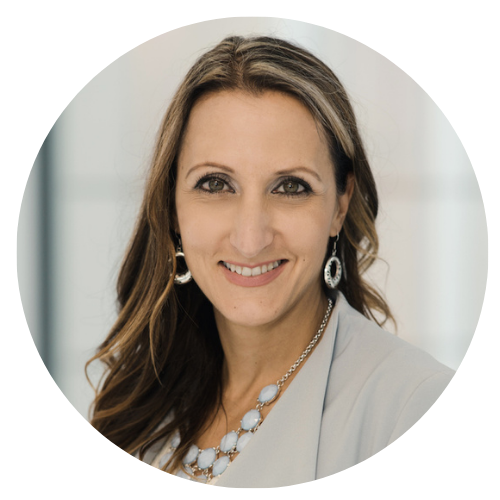
Dr. Lori Brotto
Professor, University of British Columbia
Dr. Lori Brotto is a clinical psychologist and internationally recognized researcher in women’s sexual health. She is a Professor at the University of British Columbia, where she holds a Distinguished University Scholar award, and is the Principal Investigator of the Sexual Health and Genito-Pelvic Pain Knowledge Empowerment (SHAPE) Hub.
Dr. Brotto is the former Executive Director of the Women’s Health Research Institute and a former Canada Research Chair in Women’s Sexual Health. She is also the co-creator of eSense, a digital program that brings evidence-based psychological treatments to more women.
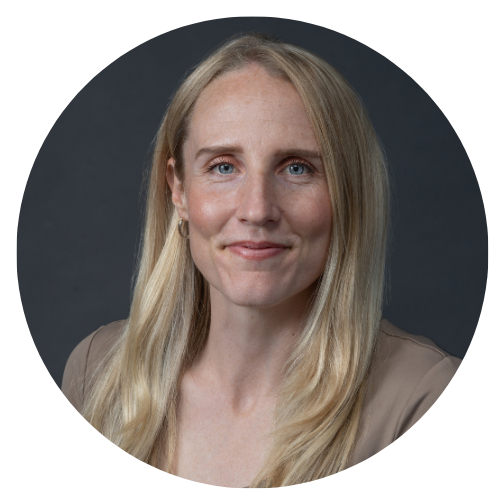
Danielle Flieler
Manager, Federal Government Affairs, Santis Health
Danielle Flieler is Manager of Federal Government Affairs at Santis Health in Ottawa, where she advises health and life sciences organizations on federal policy, government relations and advocacy strategy. She brings more than a decade of experience advancing health priorities across the public and nonprofit sectors, with a focus on women’s health, health research and science advocacy.
Her experience includes serving as Senior Development Manager at Research Canada and working with organizations such as the Canadian Breast Cancer Foundation to advance health-focused initiatives and strengthen advocacy efforts.

Dr. Kathie McNally
Senior Advisor, Santis Health
A distinguished leader in health care, Dr. McNally has over 20 years of experience as a practising family physician both in northeastern Ontario and on PEI. Her work in advancing primary care has garnered her numerous health sector accolades. She has worked in a wide range of settings including full scope community family medicine, long-term care, emergency medicine and acute hospital medicine. Her most recent clinical work is with the homeless population on PEI and in community family medicine.
Prior to joining Santis, she served as the Chief Medical Officer of Health PEI, the province’s health authority. In this role Dr. McNally was accountable for physician leadership structure, appointment & privileging, and the Medical Affairs team, among other responsibilities. Dr. McNally co-authored and was instrumental in the initiation of the Provincial Primary Care Road Map (PCRM) leading to the province-wide implementation of Patient Medical Homes and Neighbourhoods.
Episode Transcript
The full conversation, lightly edited for readability. Open a section to read it.
Introduction: Canada’s Shifting Menopause Landscape
AnnouncerYou’re listening to From the Burgundy Chairs, a podcast for health system leaders created by Santis Health.
Dr. Kathie McNallyFor millions of Canadians, menopause arrives at the height of their careers, family responsibilities and community lives. Yet getting the right information, diagnosis and treatment too often depends on where they live and who they see. For years menopause has sat at the margins of health research, medical training and health policy. Women have often been left to navigate symptoms on their own, and clinicians have been asked to manage them with limited training, data and support. However, thankfully, this is starting to change. Federal policy makers are advancing support for a national women’s health framework. A few provinces are now publicly funding menopause treatments, and new research such as the Can-REACH study is working to close long-standing knowledge gaps. At the same time, those searching for answers are met with a flood of misinformation online. Until women’s health is better positioned in our health system, people are often left to be their own advocates, and that makes access to credible, evidence-based information more important than ever.
But progress is uneven. Coverage, access, and care pathways still look very different from one province to the next. The question now is how system leaders, clinicians, and policy makers can turn this momentum into consistent, equitable care. This conversation comes as the world marks World Menopause Day on October 18th, with this year’s theme focused on chronic pain. It is a reminder of how much women’s health experience still goes unrecognized and untreated. My name is Dr. Kathie McNally. I am a family physician and senior advisor at Santis Health. In today’s episode of From the Burgundy Chairs, we examine Canada’s shifting menopause landscape, where gaps in research, care, and policy remain, and what health system leaders can do to close them. To discuss this, I am joined by leading women’s health researcher Dr. Lori Brotto, and one of our federal health policy experts from Santis Health, Danielle Flieler. Thank you both for joining us.
Danielle FlielerMy pleasure.
The Research Gap in Women’s Health and the Can-REACH Study
Dr. Kathie McNallySo ladies, let’s jump in. And start talking about the research gap in women’s health. Lori, I’m going to start with you. Women’s health conditions, including menopause, have historically been underfunded in research. In your opinion, what do you think the most important knowledge gaps are that remain, and how will a Can-REACH study work to address those gaps and maybe you can tell us a bit about the Can-REACH study.
Dr. Lori BrottoYeah, thanks. Thanks Kathie. I’m so glad that we’re having this conversation. We have been for a few years now, but it never gets old, um, and it’s because there continues to be this, this gap in our understanding of women’s health. It has long historic roots. We can trace it back, you know, a few hundred years where even if we look back a few decades ago, medical textbooks, um, were very gender imbalanced. Let’s just say that in terms of our knowledge and kind of description of women and female anatomy and physiology compared to that of men and males. And when we focus that specifically on menopause, I would say that layered on top of that, we also have two decades of really poor attention to menopause following the Women’s Health Initiative WHI study that was published in 2002. It was a fabulous study, very well done. The problem is, is that the kind of media misinterpretation of some of the interim analyses meant that women had a lot of fear about breast cancer from menopause hormone therapy.
So that’s just kind of some of the backdrop to why there’s still so much about menopause, what symptoms, uh, do women experience, who are the subgroups of women that are more likely to experience those symptoms more, what are the evidence-based treatments to manage them, and we still lack data on most of those questions. So Can-REACH is a national study that, um, our team out of out of University of British Columbia is leading, um, and it attempts to answer many of these questions using a large nationally representative sample of females aged 39 and older. So we’re looking at everything from, you know, prevalence of different symptoms, who are the subgroups more likely to experience those symptoms more, what is the impact on the workplace, how do women and gender diverse people living in rural and remote communities experience symptoms, where do they get help, uh, how much are they paying out of pocket. And, um, it follows on the heels of a very similar study that we led out of BC last year called Her BC where we looked specifically at at British Columbia residents and now we’ve partnered with the other research institutes across Canada to really scale that up. So we’re really excited. I think, um, there’s lots of other groups similarly asking questions about menopause and, uh, our hope is that we’ll be able to customize and personalize care so that if a uh woman is suffering, that we will have um, not just evidence-based information but personalized information based on who she is, her demographics, her kind of cultural background, her health history to be able to advise her on how to manage, manage her care better.
Dr. Kathie McNallyAnd Lori, I’m just curious with the Can-REACH study, that’s closed? This, the survey component, is it closed now?
Dr. Lori BrottoSo we’re having this conversation on, on October 16th and today is the last day of the survey. So, um, by the time people hear this conversation, uh, we’ll have hopefully analyzed the data, um, as of this week we had about 7,000 respondents across Canada, which I think is really good. And again, we were very intentional about making efforts to hear from the typically unrepresented groups, so racialized women, uh, women of various socio-economic backgrounds, those living in more rural communities, etc. So, so stay tuned for the findings.
Dr. Kathie McNallyAnd when do you think we’d expect to see those findings?
Dr. Lori BrottoSo we will be presenting them at an event led by the Women’s Health Collective Canada in Toronto on February 22nd. And that’ll be sort of the first presentation of all of the findings. Um, and then we have a special issue in the Journal of Obstetrics and Gynaecology Canada that will be coming out in the spring with about a dozen manuscripts, um, from, from that data set. So it’ll be hot off the press on February 22nd.
Is Women’s Health Research Gaining Traction?
Dr. Kathie McNallyAll right, I’ll get my tickets. Uh, Danielle, is women’s health research gaining enough traction?
Danielle FlielerI think anyone working in the policy and health space can see I think it is gaining traction, but I am cognizant uh that it is starting from a low point, as Lori mentioned. So one recent analysis found that menstrual and menopause research together made up about a quarter of 1% of CIHR funded research over 15 years. That’s where we’re starting from. Um, and I do think generally for women’s health we’re seeing more traction and I and I think the private sector was actually ahead of everybody on this first. So women’s health was listed as one of um, the next big investment sectors by Forbes a few years ago and we all know the McKinsey study that was released last year that’s been getting a lot of attention on the opportunities on investing in women’s health. Um, and in Canada we have the study that Lori just mentioned that’s uh going to be really helpful. And employers and insurers are paying attention because unmanaged symptoms cost about 3.5 billion a year, mostly in women’s uh lost income. So I think these, these things are what’s helping to gain traction for research generally as women’s health is is being lifted in a number of different ways, but from a government standpoint in the past year the House of Commons standing committee on health did do a report on women’s health and there was research pieces included in that. And then as many know, there’s a current Senate bill for a national women’s health framework which is moving forward uh through parliament as we speak. And there is a lot of research pieces included in that. And then Health Canada did fund the Society of Obstetricians and Gynaecologists of Canada 1.9 million to work on menopause and perimenopause care this year. So we’re seeing advancements, um, but research groups and advocates I think are still incredibly important, especially right now as we’re gaining momentum, because policy makers seldom act on something like uh a journal article, which are very important, but that’s not really what drives change from like a policy perspective. They act on pressure from the public. Um, however advocates asks need to be clear, I think, and preferably costed in some circumstances under this government and particular from at least a federal level because evidence becomes policy when someone turns it into a decision that a minister can actually make and do something about. So I think that’s where what I would say on the the policy front at this moment. So I think positive progress, but because we’re starting from this low base, I think we have a long way to go.
Dr. Kathie McNallyThank you. Lori, you’re shaking your head, yes?
Dr. Lori BrottoYeah, I I mean I think the the momentum uh from all of the different streams that Danielle just mentioned is so important and I I just want to highlight, um, you know, the role of advocates. And also the role of philanthropy. And, you know, it’s um, we can’t wait for, we can’t wait for funding agencies like CIHR whom I’m indebted to for funding my own research program, but as Danielle mentioned, a tiny fraction of 1% going to to menopause. So we can’t wait for that. So we are seeing and we want to see more of philanthropy stepping up and we’re seeing, um, you know, women in this space who are kind of putting their money where their mouth is so to speak and getting behind uh various menopause initiatives and we’re grateful and we want to see more and um, so all of this will make change, but the time is now for sure.
Sexual Health Research and Psychological Treatments
Dr. Kathie McNallyYeah. And I I think it’s really interesting in my own clinical practice, I’ve been in in clinical practice for over 25 years, I would say for 20 of those years women did not come in asking about their own health. And it’s only been in the last five women are coming in and starting to want answers and support and help, um, but without the research and without the training it’s difficult uh, it’s been historically difficult for them to get answers. Lori, you do your own research, um, and your research focuses on sexual health and well-being. Can you tell me a bit about your research and what you’ve learned, like what what you’ve been able to demonstrate that’s helpful to women, and then you know based on that, how does that help us design healthcare in a different way?
Dr. Lori BrottoYeah, um, I would I would love to. Um, so my focus has mostly been on women’s sexual health and vulvovaginal pain conditions, you know, arguably among the more stigmatized aspects of women’s health domains where women suffer in silence, they’re too embarrassed to even tell their primary health care provider that sex hurts or that they’ve lost desire or there’s been changes in sensations after their cancer treatments. Um, and so I’ve been very lucky to be a psychologist in a department of OBGYN where I work shoulder-to-shoulder with um OBGYNs who deliver the care uh but are not equipped to help patients manage many of the kind of psychosocial aspects that we know are really, really important. So when we can teach women who have vulvovaginal pain, for example, how to manage anxiety, how to reel in worrisome thoughts, how to engage in behaviors that are health promoting and that have been found to help with pain management, they actually have great reductions in pain. And our research has shown that often times those psychosocial behavioral treatments um can work better even than medical treatments in some cases, and I think vulvodynia is a great example of that where you know many of the kind of front-line medications um don’t work better than placebo, and yet when we can equip women with these psychological treatments they do very well.
Um, so I think that’s been a big part of the, the um, the knowledge contribution is kind of the role of these psychological and behavioral treatments and then the, the question is how do we integrate those into medical care, into multi-disciplinary settings, how do we get primary care doctors um aware of these treatments, not necessarily to the point where they’re delivering cognitive behavioral therapy or mindfulness themselves, but certainly to the point where they can understand how these treatments work and then recommend and refer patients where where to get these. Um, in the context of menopause care it’s it’s I think it’s even more pertinent where when we look at the menopause guidelines, um, and I’m actually on the SOGC menopause guidelines um as well, the only psychologist on the on the guideline committee, where we know that there’s, you know, first-line evidence-based care for psychological treatments to manage things like sleep, um, also peri- perimenopausal depression, and even a lot of evidence for CBT and managing vasomotor symptoms. So, um, more work for us to do there, so again demonstrating that these treatments work and then how do we make sure that women get access to them.
Dr. Kathie McNallyLori, some of our listeners won’t know what vulvodynia is.
Dr. Lori BrottoSo vulvodynia is essentially sexual pain that is chronic. Um, so anytime that um, a person has pain with sex, it signals that something is not right. But if it continues chronically where every attempt at sexual activity feels like it’s burning or cutting or impossible to engage in sexual activity, um, that that that female would be assessed for what is going on, there can be a variety of different explanations for what’s happening, um, and one of the potential diagnoses is a chronic pain called condition called vulvodynia. Affects about 15% of females.
A Patchwork of Menopause Coverage Across Canada
Dr. Kathie McNallyAnd World Menopause Day that is October 18th, and the theme this year is chronic pain, so that’s very timely. Danielle, I’m going to switch back to you and and talk about policy for a few more minutes, the coverage of menopause treatment across Canada varies significantly from province to province. Um, and I believe a couple of provinces are funding some menopause hormone treatments and most are not. Can you tell us a bit more about that?
Danielle FlielerSure, yeah. So uh unfortunately like I think many aspects of our federated healthcare system, how you get menopause treatment depends a lot on where you live. So at Santis our Women’s Health Team actually has just done a ton of research with which Kathie has actually been a part of, on this um in advance of launching our menopause tracker, and the policies are quite different across the board. I think you were spot on Kathie with that most don’t have it, but BC and Manitoba for example both have signed pharmacare agreements with the federal government, and since both already paid for contraceptives themselves, they can use part of this federal money to cover hormone therapy. In most other provinces, public coverage depends on your age, uh your income, or which uh insurance program you’re in, so many working age women end up relying on a workplace plan or paying out of pocket, which can be around $100 a month like on average, um which we know many women can’t afford. And then I think in addition to this, the other issue is coverage isn’t the same as access. So even covering a drug uh doesn’t help your family doctor who hasn’t been trained to recognize perimenopause symptoms or isn’t paid for the time that maybe a menopause visit takes. And Manitoba I think is the only province with a billing code at this time for menopause care. Um, so the real patchwork is in coverage, training, and I think compensation all together, which again varies across the country and is mostly dependent on where you live, and so in the policy world we usually say uh that this is like just the lottery code, um, the lottery postal code is the same for menopause treatment for women.
Access to Care and the Role of Digital Tools
Dr. Kathie McNallyThank you. And Lori, when you were talking about some of the treatments available in your work, you talked about some of the psychological uh therapies, and of course some countries cover pelvic floor care uh or pelvic healthcare. And I don’t believe that’s covered in many uh, if any, jurisdictions in Canada, and that can be hard to find, like Danielle said that’s not just about being able to pay for it, it’s about being able to access it. Can you talk about that like access to the care, um, but also what’s the role of perhaps digital tools in supporting that care?
Dr. Lori BrottoYeah, so um, in our Her BC study which was our provincial version of the Can-REACH study that we did last year, we actually found that massage therapy, physiotherapy, and psychological treatment were among the top healthcare providers that midlife women with symptoms sought out. And of course these are all services that women pay for out of pocket and we were able to quantify how much that was and how far women traveled. So I think as Danielle noted earlier, the the cost is uh one of the barriers, there are certainly other barriers as well. Um, and it means that women are just are just not accessing this unless those services are part of, you know, a provincial program, so I’ll come back to vulvodynia as an example where I work, um, we have the BC Center for Vulvar Health at Vancouver Hospital that has in-house psychologist, pelvic floor physio, and gynecologists covered. But it’s very limited the number of sessions that that women can get, they can only see the pelvic floor physio for three sessions and the psychologist for two. So they sort of get a taste of these treatments and then after that they’re they’re um paying for it out of pocket themselves.
So you mentioned digital uh treatments as a potential solution, we’re seeing much, much more of that and I think COVID really augmented the speed of research on uh virtual treatments, whether it’s, you know, a telehealth appointment where it’s live and synchronous in this sort of way where you’re you’re speaking with the healthcare provider at the exact same time, or asynchronous, which is you might log into a digital platform and receive care but there’s not a live provider on the other other side of it. It’s actually been a lot of the research that my team has been leading where um we’ve developed a digital tool that can actually directly deliver these evidence-based psychological treatments to women, we call it eSense, um for anyone who’s interested esensehealth.com. And I think we’re I think we’re going to see more of that, I think it is really important that we evaluate these treatments, that we make sure that they are indeed delivering, you know, guideline approved, evidence-based treatment, um, and that they’ve been tested for the right populations, um, and that we’ve got some sort of sustainability plan so when women access them, how long do they have access to them for, what if there’s something unique about her health condition where the digital tool doesn’t answer that problem so there’s some kind of a crisis or a nuance of her health history that really requires a a real person, a real healthcare provider on the other end, so that’s something for women to pay attention to. But I think it’s an exciting way for us to close the gap in care, um, and um, and hopefully make sure that yeah more women are are getting access to the care that they need so they’re not suffering in silence.
What the Federal Government Can Do
Dr. Kathie McNallyAnd close the gap especially for rural and remote areas who just plain and simply can’t access the care. Danielle, federal policy makers are working through um advancing a national women’s health framework. Can federal action help with some of the inequities?
Danielle FlielerUh, this is a great question because one of the ongoing questions by advocacy groups and I think frankly most people working in government affairs and health uh is what can the federal government do when it comes to health compared to the role of provinces and territories? As we know the federal government does not actually deliver care, but it does have some real levers that can be used. So I think the first is research and data which is especially important for this topic because the starting baseline as we said is low and this is in their jurisdiction because they fund so much of it. They’re not the only funders of health research, obviously provinces do too, but the federal government plays a big role in that. Um, so they fund beyond just CIHR, but also supporting Statistics Canada, which is they’re actually running a gynecological health survey right now, which will give us hopefully a baseline of data we currently do not have. So data collection is a big one from the federal government. The second one would be money, um, and with conditions I think. So the Canada Health Transfer and the bilateral agreements, like the working together agreements and pharmacare deals that we’ve seen, they can reward provinces for closing gaps like this with a huge caveat that these kind of deals uh are not ones that the provinces typically like because they prefer to have control over their own budgets, but it is possible. We’ve seen it, uh that’s something that the Trudeau government did, it’s literally happening right now at the Health Minister’s meeting, this is part of the conversation, they announced two days ago extending some of the working together agreements, so we’ve seen agreements like this where you could target something like women’s health and to help close these gaps. Um, but there is a push and pull between the federal government and the provinces and territories on that.
The third I think would be drug regulation and improving access to innovative medicines that are coming for women, which we are starting to see more of, we know for years and decades back to Lori’s point of there has not been a lot in the pipeline from pharmaceutical companies targeted at women, especially menopause treatment, I think there was one for like 30 years. That’s starting to change, so something that the federal government can do is improving access to those. Um, again there is always a role of the provinces down the line at some point, but there are some levers there that the federal government does have. And then I think the fourth one is a bit of an overlooked population, but the federal government is actually a direct payer and does provide care to a subset of Canadians, um including veterans and military and also First Nations and Inuit, and they’re also the largest employers. So policies around menopause for women can also be done from them uh given how many women they employ across the country, which is I think another uh different kind of lever but still something to consider when we’re talking about all these changes that can be made for women.
Dr. Kathie McNallyThat’s a really interesting perspective. Um, I hadn’t contemplated the fourth point. Yeah, it’s a large percent right, so if you can lead the way, because a lot of the provinces will look to the federal government for things that they’re doing. So broadly policies that they suggest as guidance, but they can also take this upon themselves to be employers who support, you know, menopause uh changes to um insurance policies or just support that they’re providing to their employees, because that’s a large amount of of the Canadian population, so.
Combatting Misinformation in Women’s Health
Dr. Kathie McNallyI want to switch gears for a couple of minutes and talk about misinformation. Misinformation in women’s health is a huge problem and a growing problem from my perspective, there were years when we heard nothing and women couldn’t get any information and now it feels like they’re left to sort through just mounds of misinformation. Lori, I know you’re active on social media and you and I have talked about that in the past, um, and I think a big part of that is that you’re trying to combat misinformation. Can you tell us a bit about what you see your role as, um, other clinical leaders, what what they should be doing to help with that? What do you see?
Dr. Lori BrottoYeah. I mean we are seeing a lot of um, grifters in the space of women’s health, and what I mean by that is, you know, people who stand to make a profit by selling selling women uh an ointment or a treatment that will help ease her suffering, and it makes perfect sense how that environment happened and it’s because of all the all the things that we’re talking about, the health gap, the lack of research, the fact that you know our primary care docs have not been trained in menopause until very, very recently, and so it sort of created this uh breeding ground for others um with poor intentions moving into the space to to again to sell women things that might help. And um, of course women are, you know, going to social media for information, we we have data that young people, you know people under the age of 20, 80% of them will use TikTok as their main source of health information. And so they are understandably going to these free and accessible places uh to answer their health questions. Um, I see part of the responsibility, you know, in addition to making sure that consumers of social media are doing their homework, vetting the information, and you know taking what they hear and putting it through scientific browsers where they can verify if this is if this is truth or not, but I also see a lot of the responsibility on on us, and by us I mean people like me, people who are doing the science or people who are in the space of providing care to make sure that we are active in these spaces where women are going.
Um, because if we are not, then the dominant voice is going to be from again from the grifters who are filling the space. I can understand, you know, when I look at some of my academic colleagues, um the hesitation to be on social media, um, you know, it’s it’s um, there may be a perception that it’s thankless work or that it’s not seen as something that counts towards promotion or maybe even a concern that it’s, you know, sensationalizing the work that they do, but but again we have to go where women are getting information, and if it means that they’re going to social media, this is where we need to show up. So I I’m inspired by different um opportunities for professional development at different conferences where, you know, there’s often a session on how to be on social media, how to get your key messages out there, um how to combat misinformation, and um we’re seeing kind of our new grads more apt to to move in this space and um I think again I think it’s just all hands on deck. We need to be able to fish out the bad information when it’s there and replace it with the good information.
Helping Women Find Credible, Evidence-Based Information
Dr. Kathie McNallyI love that. I I think it’s not something that’s traditionally been taught when you’re doing your training in healthcare, but that’s the space the patients are in so it’s probably the space future healthcare providers will have to live in. Danielle, until we get there, until women’s health is better positioned in the health system, um, women have to be their own advocates as we’ve discussed. So what’s the role of policy makers, research organizations, advocacy groups, um, in making sure women can find credible, evidence-based information?
Danielle FlielerUm, well one one thing I did want to note is I had written almost the exact same messaging that uh Lori just said in my notes when thinking about this question, um, because I do think it’s incredibly important for people with actual evidence to be speaking about it. If you look at like the Dr. Jennifer Gunters of the world, she’s brought menopause uh into the conversation in such an accessible way, I think literally that’s where I first started to read about things, which is, and I and I have access to education, I work in health, and that’s still in part where I found it more easily. Um, but like Timothy Caulfield for example is is a great example of this too where he just, you know, he completely talks about it constantly, um, but because the thing is is that he can do that in part because he has the credible information to start with, which is I think going back to this whole conversation of we need better resources and data and evidence for all of our incredible researchers across the country to be able to speak to. Um, there’s so much we don’t know, so I think sometimes that there’s not an easy place to find the answers because we haven’t been supported to be able to do the research, there actually might not be uh a great place for people to go. Um, but I do think the the one of the issues that persists is that each group I think that you mentioned, so policy makers, researchers, advocacy organizations, they speak in different languages and they and they look at different times, like their timing is different. So researchers publish something, clinicians respond to their patients, policy makers work through things like a budget and a legislative calendar. So how do you align all of these pieces together, who can influence credible information for women?
And I think, um, something that works is agreeing on a small number of shared asks and showing up together. So Bill S-243 is a really good example of this. I think one of the advantages of it starting in the Senate, which is a little bit slower usually than the House, is that all of these influential groups and people like Lori and other organizations are coming together and they’re just prepared for this thing to be launched, um, and they’ve lined up behind this one bill which is far more persuasive to parliamentarians than those 50 organizations saying different things. So I think one is people who are in this space, so researchers and I would say advocacy organizations need to agree on a few things and just continue that message, that’s how advocacy gets through. Um, and then it like look what we’re up against. We’re up against Donald Trump, we’re up against geopolitics, we’re up against wars and economy, and so I think you have to get incredibly loud and I think to Lori’s point you got to be a little brave for the people who do have this information, it’s super important because there’s nowhere else for people to go, and I think the more people can come together, pick a few things that are going to be the most important to advance this work, and say it loudly constantly. Um, and that’s the kind of advocacy that gets through. So that’s what I would say.
One Priority for Menopause Care in Canada
Dr. Kathie McNallyThank you. Lori, if health sector leaders are listening to this conversation, um, and they could advance one priority in menopause care in Canada, what’s your advice about what that should be?
Dr. Lori BrottoOnly one? Well, if it’s only one, if it’s only one I’m going to say follow the recommendations of the McKinsey report, which we all know is actually four recommendations, right? So when we train healthcare providers, when we fund research, when we make data accessible, uh, when we make sure that that sort of knowledge to gap, knowledge to care gap is closed, there’s not only are women healthier, but there is a very strong GDP influence, right? There are dollars that go back into the healthcare system when we can close these four gaps. Um, so I think that would be it, and if you don’t know what I’m talking about Danielle referred to it earlier, it’s read it’s the McKinsey report, it was a beautifully executed in-depth analysis on the cost savings to the Canadian um system when we can close these long overdue gaps, so I think that would be it. And I and I also think just recognizing that all of us have a role to play, it’s not, you know, it’s not just the researchers, it’s not just the clinicians, it’s not just the policy makers, um, we were all at the same conference together um, vitally important last uh last spring and it was incredible the stakeholders that were in the room and um, and it really is going to take all of us coming together to to make sure that these gaps are closed. I think we can do it.
Dr. Kathie McNallyIf I ask you the same question, what’s the one priority you’d put in front of decision makers?
Danielle FlielerUm, I agree with Lori wholeheartedly, I would say I would uh replicate her answer, I feel like the McKinsey report was the report that launched a thousand ships. Um, I would say though it’s really important to make menopause in in particular, so not just women’s health broadly, but if we’re trying to look at menopause specifically, it needs to be specifically named and a funded priority at both the federal and the provincial level. So when I what I mean by that is not lumped into women’s health broadly and not something like part of life stages. I think you need to name it in order for it to actually get um support and prioritized by government, because if it becomes too big and broad they tend to kind of give up on what to do because it’s just too much to handle at once, so I think being very specific is helpful. Um, and I think you know generally passing this women’s health framework is a is a really good next step from a policy perspective, the last one was in 1999 which is incredibly embarrassing I think. Um, so that’s what I think I would, I would say is name the governments need to name menopause as a priority policy. To make real change, and I think it’s easier to put funding behind it, uh, and I know people get nervous about asking for funding, but when you are at some point that’s where real change is made where resources are put behind something.
Closing: Turning Momentum Into Consistent Care
Dr. Kathie McNallyI want to thank you both for being here today, this has been uh incredibly helpful for me certainly and hopefully for our listeners. Thank you.
Danielle Flieler & Dr. Lori BrottoThanks for having us.
Dr. Kathie McNallyWhat today’s discussion makes clear is that menopause is no longer a conversation at the margins of healthcare. It is a question of equity, evidence, and system design. Canada has real momentum, from new research to provincial funding to federal attention on women’s health. The work now is to connect those efforts and to make sure individuals experiencing menopause can find credible, evidence-based information amid the noise so that everyone can get informed, consistent care, no matter where they live. Thank you to our guests for joining today’s discussion and sharing their perspectives. I’m Dr. Kathie McNally. Thank you for listening to From the Burgundy Chairs.
AnnouncerThanks for listening. You can find this episode and more on our website at santishealth.ca, and on our Twitter at santishealth. This has been From the Burgundy Chairs.